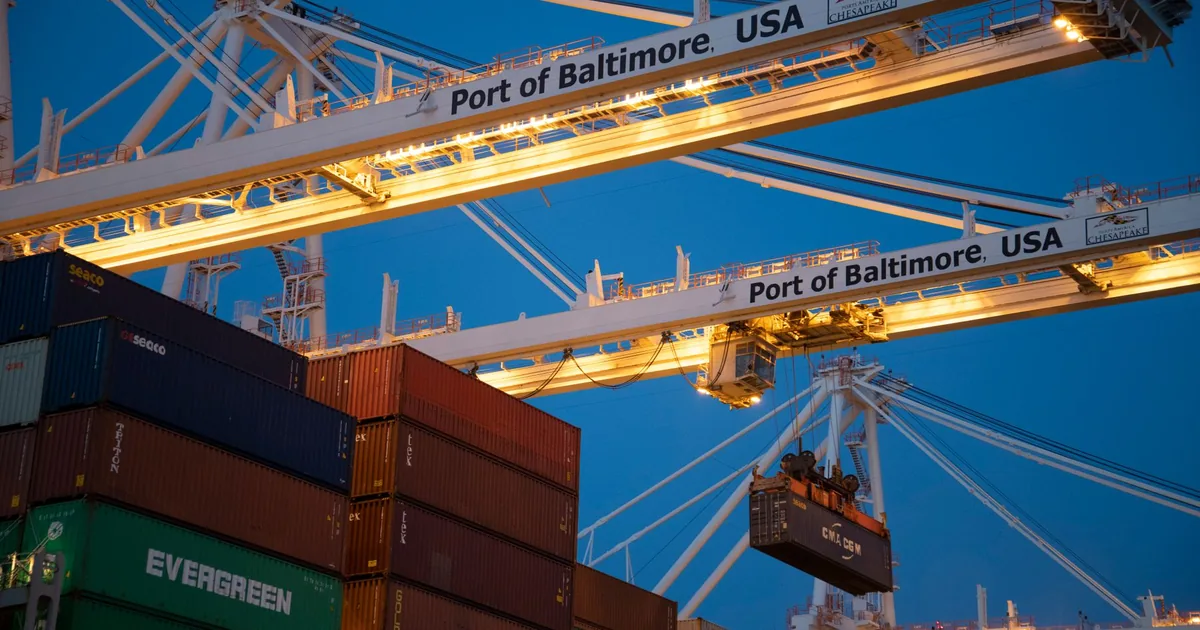
U.S. HTS Classification and Trade Compliance for Cross Border Shippers
Getting HTS classification wrong on U.S. imports can mean unexpected Section 301 tariffs, antidumping exposure, or CBP penalties you never saw coming. This guide walks through how the HTSUS works, what reasonable care actually requires, and where trade remedies and USMCA create real compliance risk. If you're shipping commercially across the U.S. border, this is the foundation you need to get right.

Canada's Retaliatory Tariffs Start September 8: What Importers Need to Do Before the Clock Runs Out
Canada's retaliatory surtax on U.S.-origin goods has been live since September 8, and the remission extension runs out November 30. If you haven't audited your declarations or mapped your duty exposure for December, you're running out of time. This post covers what's changed, what relief still exists, and the specific steps importers need to take right now.
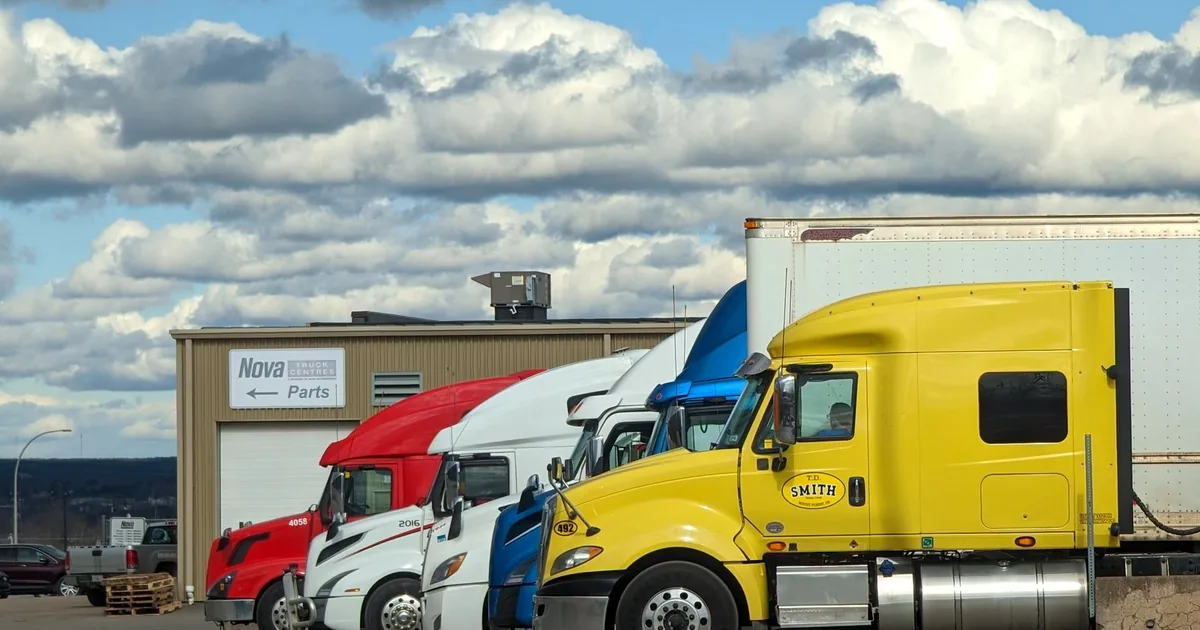
Two Quebec Sufferance Warehouses Closed. What Bonded Freight Does Now
Two highway sufferance warehouses in Quebec, East Farnham and St-Cesaire, closed on August 10, 2026, and neither port is getting a replacement. Bonded carriers that cleared at either location now have to declare at a different warehouse, and the storage clocks on any goods already in bond have not reset. Here is what the CBSA notices say, what D4-1-4 requires before and after a closure, and the steps brokers and importers should take this week.

Two CFIA Changes That Turn on a Fact Only Your Client Can Give You
Two CFIA changes landed the same week with nothing obvious in common. One updates AIRS requirements for certain wheat codes based on end use. The other recognises disease-free zoning in Finland for African swine fever, where admissibility turns on a slaughter date your client has to give you. Get either fact wrong and you have misdeclared.
CBSA's 2026 Trade Verification Priorities Are Out: What Steel, Aluminum, and Origin Claims Mean for Your Next Shipment
CBSA has published its 2026 trade verification priorities, and steel, aluminum, and CUSMA origin claims are squarely in the crosshairs. If you import in these sectors, the question isn't whether auditors are looking at your industry, it's whether your documentation will hold up when they look at you. Here's what the priorities actually mean and how to get your records in order before a verification letter arrives.

AMPS Penalties in Canada
AMPS is the CBSA's penalty system for trade non-compliance, and most penalties come from late accounting, wrong classifications, or records that can't be produced, not bad intent. The penalties are graduated, meaning repeat contraventions cost more than first occurrences. This guide breaks down how the system works and what you can do to stay out of trouble.
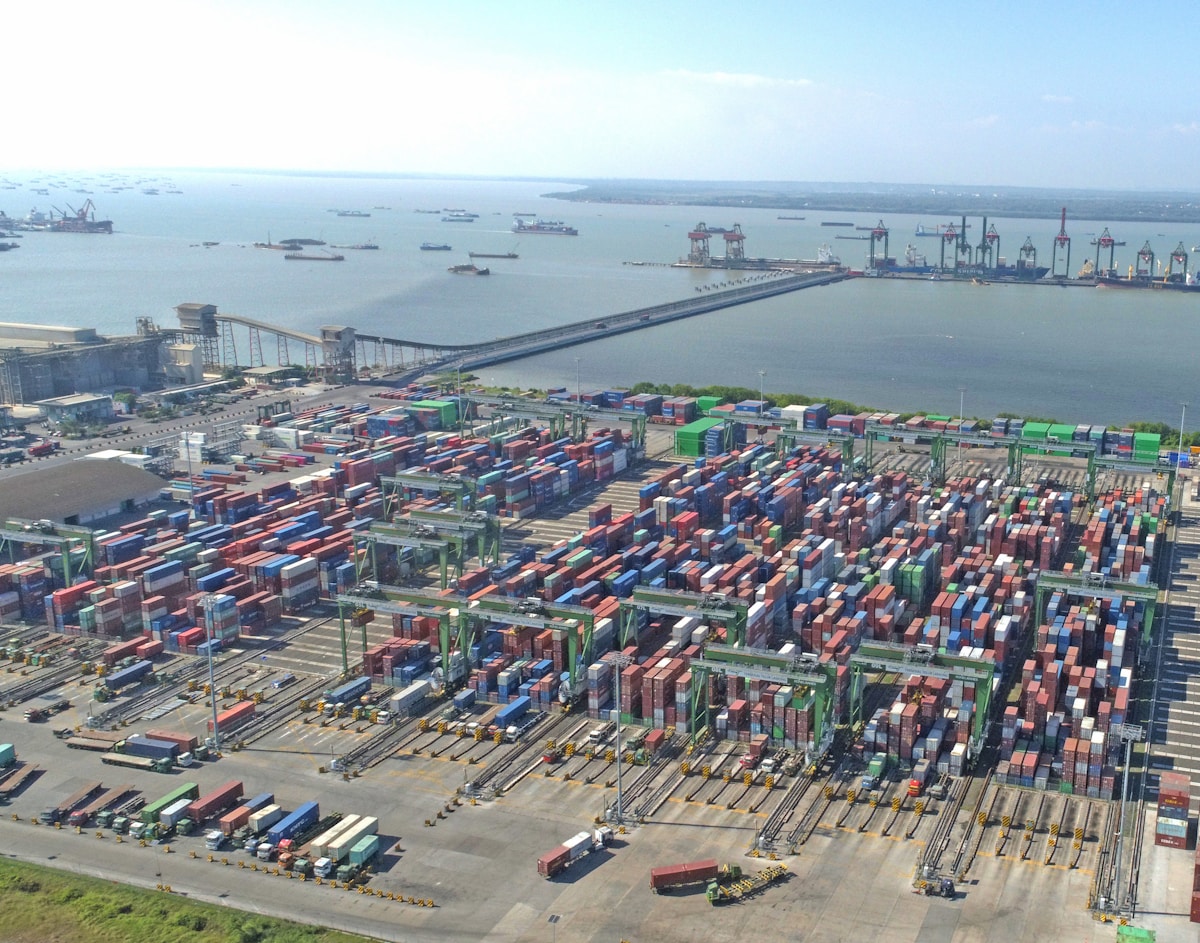
What Is CARM?
If your business imports commercial goods into Canada, CARM now controls how you account for duties and taxes. The system became the CBSA's official record in October 2024, shifting financial security responsibilities directly to importers. Here's what changed and what you need to do about it.
The 6 GIR Rules, Explained
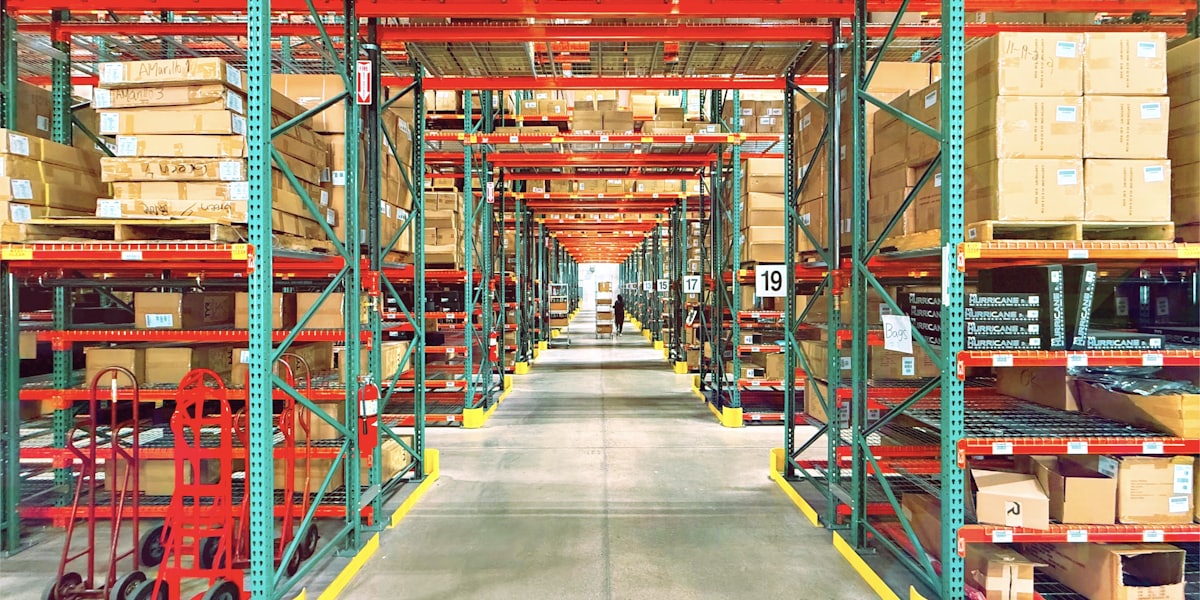
Every product crossing a border needs a Harmonized System code, and the GIR rules are the method customs authorities worldwide use to assign one consistently. There are six rules, applied in strict order, and the first one that resolves the classification is the one that counts. Get the sequence wrong and the classification won't hold up on audit.
HS Code vs HTS Code
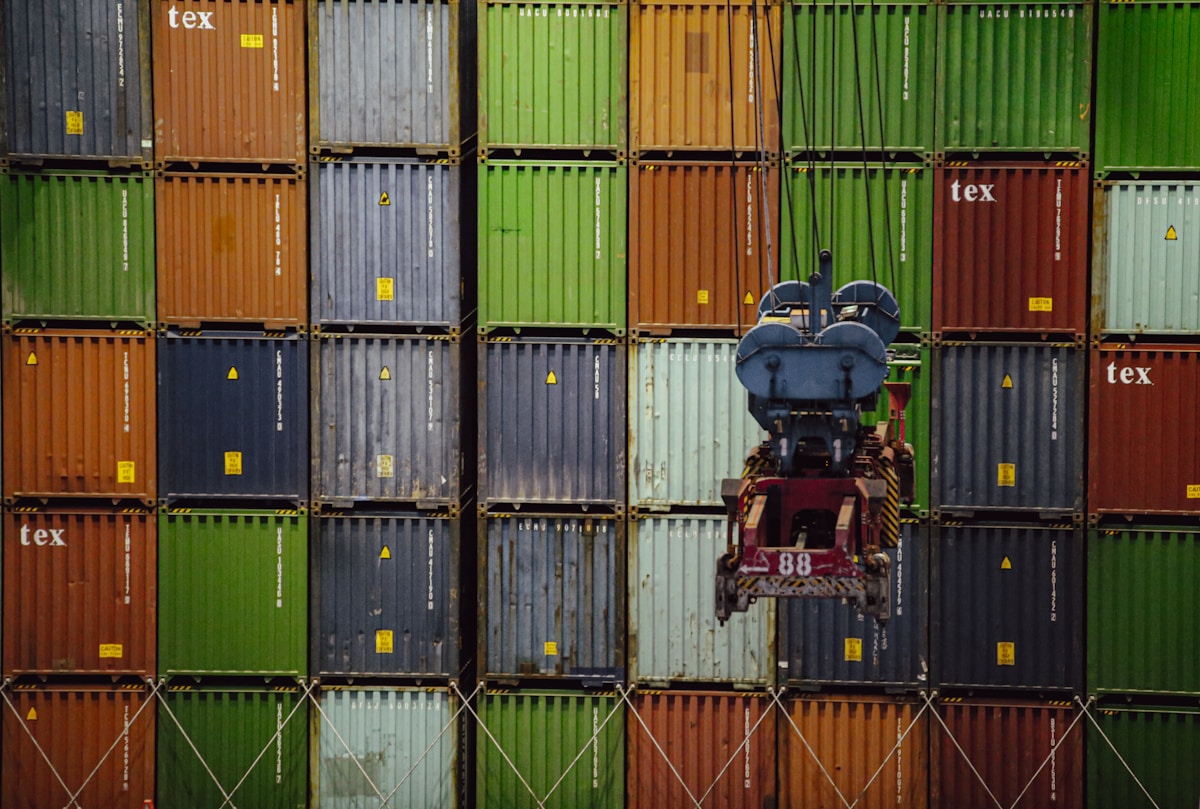
An HS code and an HTS code start from the same place, but they are not interchangeable. The HS gives you six digits recognized across more than 200 countries, while the HTS adds national digits that determine the actual duty rate and tariff treatment at the border. Getting the national digits wrong, even with a correct six-digit base, can mean the wrong duty or a rejected entry.

Can You Use ChatGPT to Classify HS Codes?
ChatGPT is fast and useful for understanding tariff concepts, but it wasn't built to classify goods for customs filing. It can suggest a starting point, but it doesn't apply the GIR rules, cite live tariff schedules, or produce an audit trail. This guide explains where general AI helps and where it stops being enough.

What Is a Detailed Adjustment Statement?
A Detailed Adjustment Statement is the Canada Border Services Agency's official record that something changed on an import entry you already filed and paid. It can mean money owed or a refund coming your way. Knowing what triggers a DAS and how to respond on time keeps a routine correction from becoming a costly problem.
CARM Compliance Guide for Canadian Importers
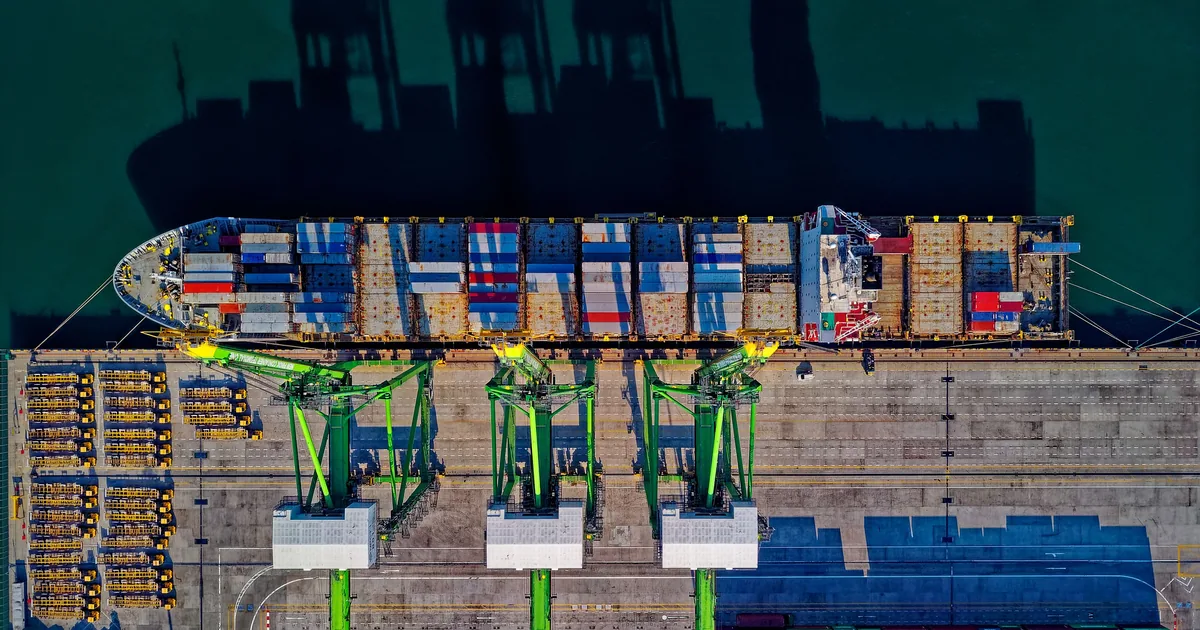
CARM has been live since October 2024, and CBSA is now assessing real penalties for importers who haven't set up their accounts properly. This guide walks through everything you need: portal registration, financial security, payment deadlines, and how to delegate authority to your broker. With the surtax remission expiring November 30, 2026, and new dumping investigations underway, there's no good reason to put this off.