
CARM Portal Setup: Step-by-Step Registration Guide
Canadian importers are now directly responsible for their own compliance records, duty statements, and financial security through the CARM Client Portal. If you haven't registered yet, CBSA notices and re-determination deadlines are passing without you seeing them. This guide walks through every step of the registration process, from getting your GCKey to setting up your surety bond.

Financial Security Requirements Under CARM: What Changed in 2025
Most importers never had to think about financial security before CARM — their broker handled it. That changed in May 2025, when the transitional period ended and importers became responsible for posting their own bond or cash deposit directly with CBSA. If you haven't checked your CARM Client Portal lately, especially with retaliatory tariffs pushing duty costs higher, now is the time.

Business Number Transition Guide: From Legacy to BN15
If you're still importing under an old RM account number and haven't finished your BN15 transition in CARM, your shipments are at risk of being held at the border. This guide walks through exactly what the transition involves, where importers most often go wrong, and the specific steps you can take today to get your account in order. Thirty minutes of attention now is a lot cheaper than a release hold at the worst possible moment.

CBSA Audit Priorities for 2026: What Importers Need to Know
CBSA's enforcement activity is picking up in 2026, and the agency now has better tools than ever to flag compliance gaps before an auditor ever picks up the phone. From transfer pricing to retaliatory tariff surtaxes, the areas under scrutiny are broader than most importers realize. Here's what's on CBSA's radar and what you can do about it before a verification letter lands in your inbox.
CARM Penalties and Compliance Failures: How to Avoid Them
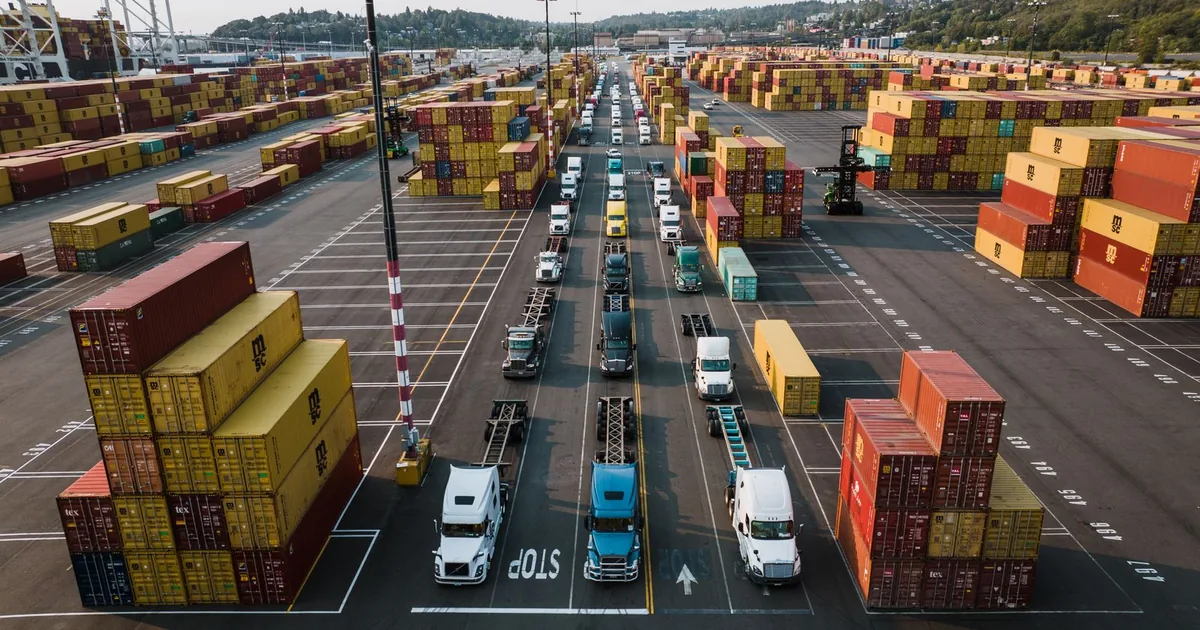
CBSA's patience with CARM growing pains is over. Importers are getting hit with real AMPS penalties for missed payments, insufficient security, and incomplete portal registrations. Here's what the penalties look like, where most importers are slipping up, and what to fix before a trade verification letter shows up.

AI-Powered Customs Classification: The Complete Guide
AI classification tools can cut the time your team spends on tariff research from 40 minutes per SKU to under 10, but they're not a compliance guarantee. This guide covers how the technology actually works, what accuracy numbers vendors won't tell you, and where human review still matters. If you're importing into Canada right now, the stakes for getting classification right are higher than they've been in years.
How AI Classifies HS Codes: The Technology Behind Automated Tariff Classification
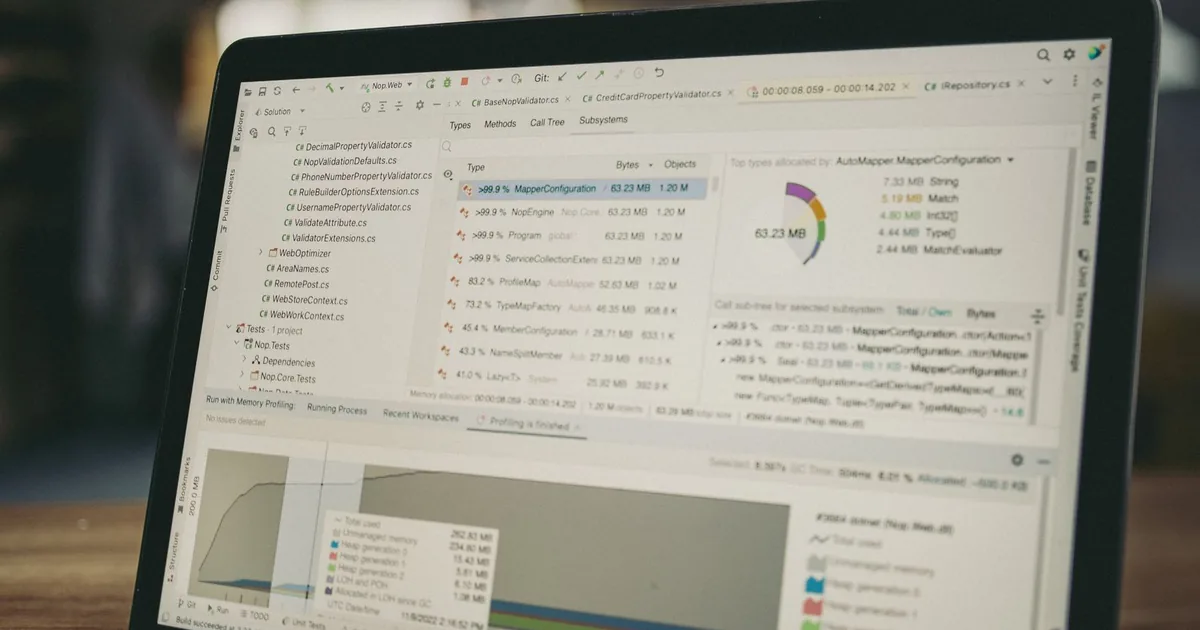
AI classification tools can handle high-volume, routine HS code work reasonably well, but most importers don't fully understand what's happening under the hood. The gap between a confident confidence score and a correct answer gets expensive fast, especially when SIMA duties, retaliatory surtaxes, or CBSA verification priorities are in play. This piece breaks down the real technology, the real accuracy numbers, and the real limits.

AI vs. Manual Classification: Accuracy, Speed, and Cost Compared
AI classification tools have gotten genuinely good at handling high-volume, routine tariff decisions, but accuracy benchmarks don't tell the whole story. The real question is what happens when the HS heading is right but the surtax layer is missing, or when a novel product doesn't fit neatly into existing headings. This comparison looks at where each approach wins, what hybrid workflows actually look like in practice, and why the current tariff environment has raised the stakes on getting it wrong.
Vision-Based Document Processing for Customs Declarations
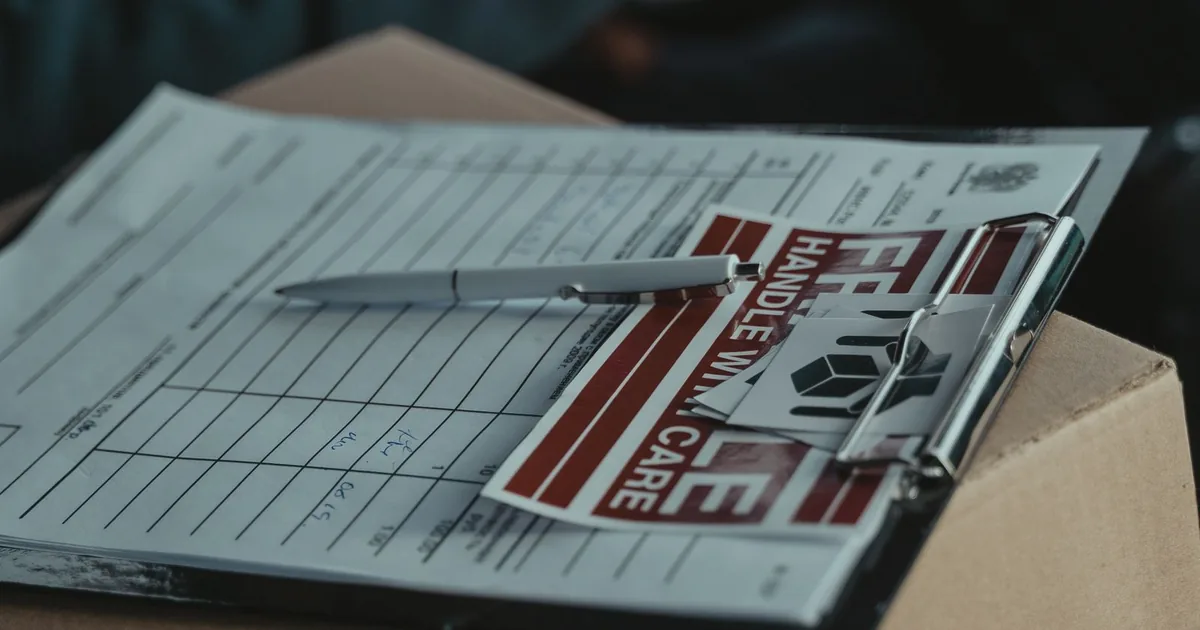
Getting clean product information out of supplier documents is often the hardest part of HS classification work. Vision-based AI tools are starting to change that, pulling material specs and product attributes from messy invoices and spec sheets faster than any manual process. But the technology has real limits, and under Canada's Customs Act, the importer of record is still on the hook for every declaration.
The True Cost of Tariff Classification Errors in Canada
A wrong HS code on your B3 can quietly compound into a six-figure liability by the time CBSA issues a re-determination. We've seen furniture importers hit with $38,000 in back duties plus interest on three years of shipments, and that's before legal fees and operational disruption. With CBSA's verification priorities now explicitly targeting steel, aluminum, and Chinese-origin goods, and a remission deadline hitting November 30, 2026, this is not the moment to assume your classifications are fine.
Using AI to Leverage CBSA Advance Rulings for Better Classification
Getting an advance ruling from CBSA used to mean a hefty consulting bill and weeks of waiting, so most importers skipped it and hoped for the best. AI is changing the cost equation, making it practical to prepare stronger ruling submissions on the products that actually carry classification risk. This post walks through a practical workflow that combines AI classification tools with the advance ruling process, including where AI falls short and what your broker still needs to handle.
Canadian Import Compliance Automation: From Manual to Modern
Running import compliance on spreadsheets and email chains leaves you exposed, especially now that CARM has shifted duty liability directly onto importers. CBSA has expanded its verification priorities to cover retaliatory tariffs, steel, aluminum, and trade agreement claims, and the agency is actively enforcing across multiple fronts. This guide breaks down what compliance automation actually means in a Canadian customs context and where to start if you're still doing things manually.