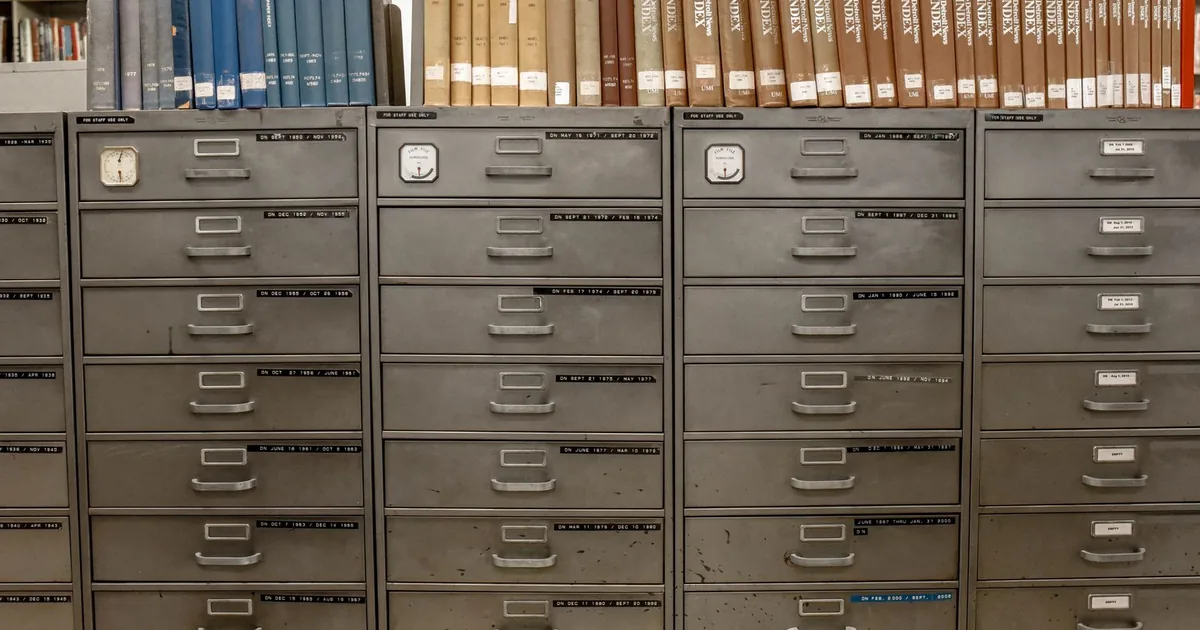
CBSA's 2026 Trade Verification Priorities Are Out: What Steel, Aluminum, and Origin Claims Mean for Your Next Shipment
CBSA has published its 2026 trade verification priorities, and steel, aluminum, and CUSMA origin claims are squarely in the crosshairs. Importers in these sectors should expect harder questions about tariff classifications and whether their goods actually meet the rules of origin, not just whether they have a certificate on file. This post breaks down what CBSA is looking for, what documentation you need, and how to self-audit before they do it for you.
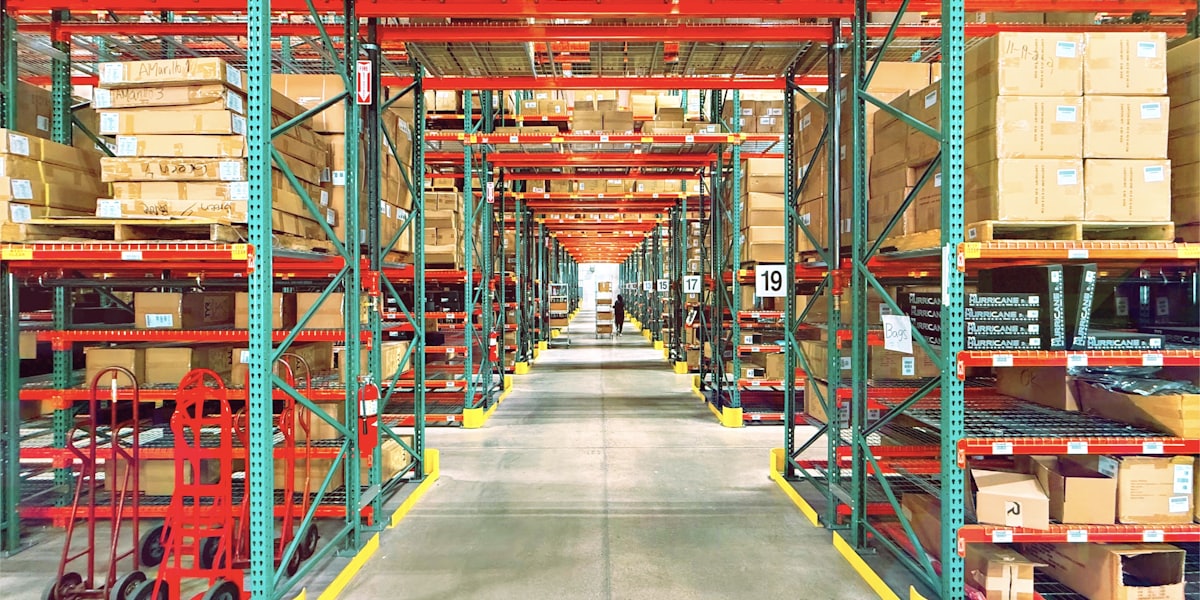
The 6 GIR Rules, Explained
Every product crossing a border needs a Harmonized System code, and the GIR rules are the method that gets you there. They're six sequential rules, not a menu, you start at Rule 1 and only move down when the rule in front of you doesn't settle the classification. Get the order wrong and the classification won't hold up on audit.

Can You Use ChatGPT to Classify HS Codes?
ChatGPT is fast and useful for understanding tariff concepts, but it wasn't built to classify goods for customs filing. It can suggest plausible-sounding codes that turn out to be wrong, and there's no audit trail to show if you're ever reviewed. This guide breaks down where a general AI assistant helps and where you need something built specifically for classification.
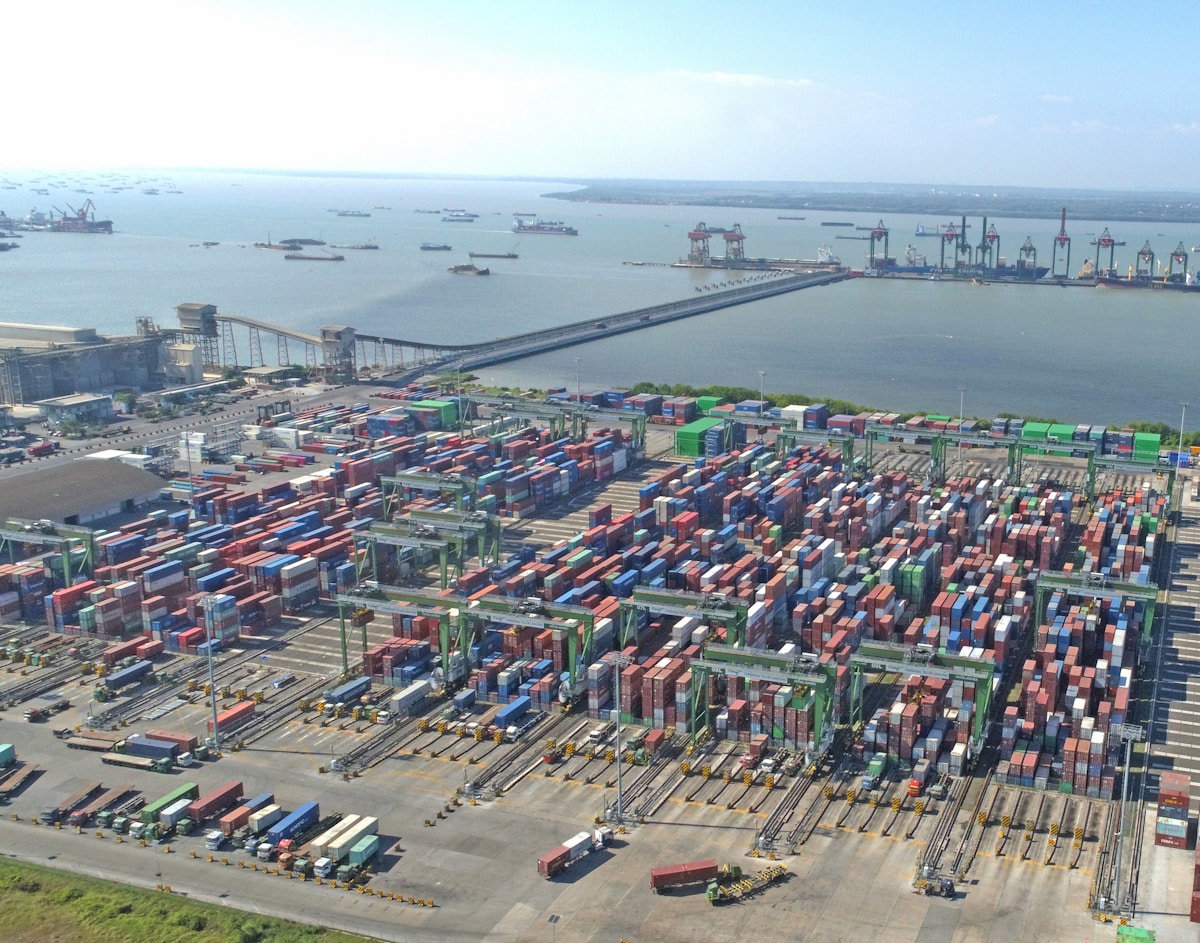
What Is CARM?
CARM, the CBSA Assessment and Revenue Management system, is now the official way commercial importers account for duties and taxes entering Canada. Since October 2024, importers must register directly in the CARM Client Portal, post their own financial security, and manage payments and corrections themselves. The system has had real growing pains, and with CBSA stepping up enforcement, getting your account in order matters more than ever.

What Is a Detailed Adjustment Statement?
A Detailed Adjustment Statement is the Canada Border Services Agency's official record that something changed on an import entry you already filed and paid. It can mean money owed or a refund coming your way. Knowing what triggers one and how to respond keeps a routine correction from turning into a missed deadline or an unexpected penalty.
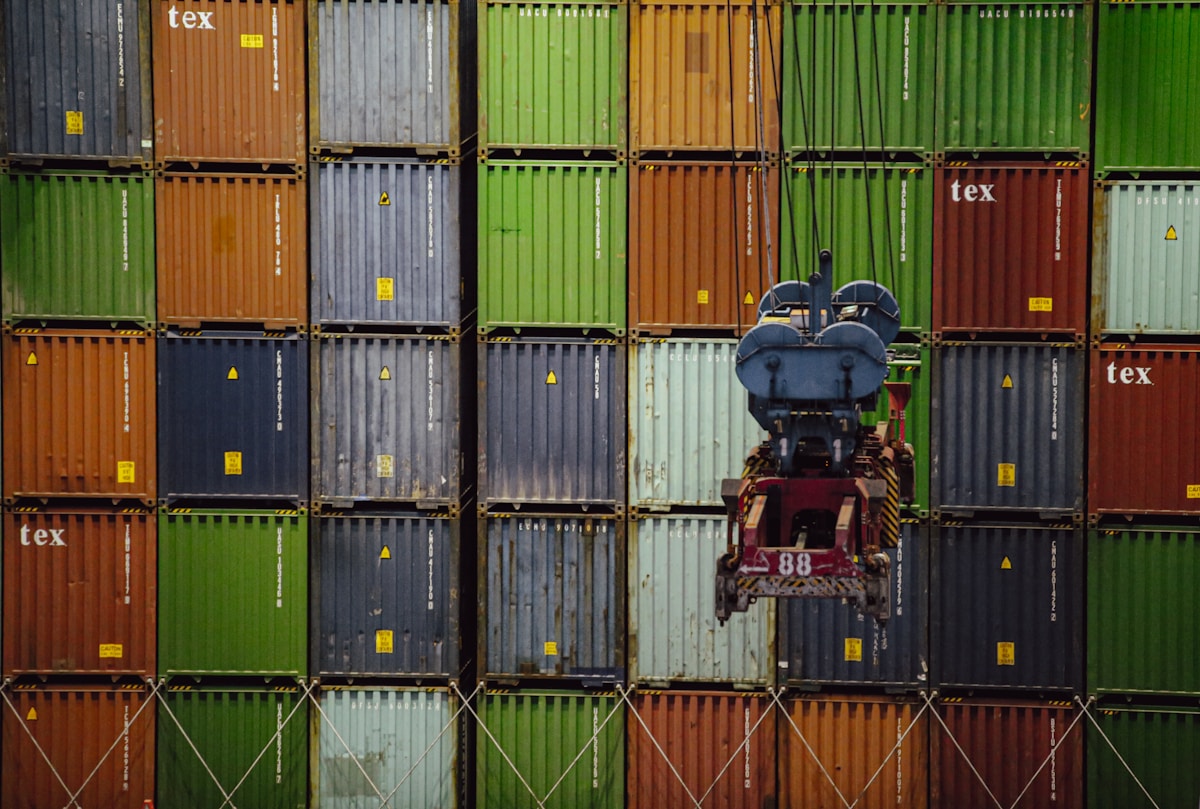
HS Code vs HTS Code
An HS code and an HTS code start from the same place, but they are not interchangeable. The HS gives you six digits recognized across more than 200 countries, while the HTS adds national digits that determine the actual duty rate and tariff treatment at the border. Getting the national digits wrong, even with a correct six-digit base, can mean the wrong duty or a rejected entry.

AMPS Penalties in Canada
AMPS is the CBSA's penalty system for trade non-compliance, and most penalties come from late accounting, wrong classifications, or records that can't be produced, not bad intent. The penalties are graduated, meaning repeat contraventions cost more than first occurrences. This guide covers how the system works, what triggers it most often, and the habits that keep penalties off your account.

CARM Compliance Guide for Canadian Importers
CARM has been mandatory since October 2024, and the penalties for getting it wrong are showing up on real accounts. This guide walks through registration, financial security, payment deadlines, and broker delegation, plus what's changed in 2026 with surtax remission, new dumping investigations, and tighter origin enforcement. If you're not sure your setup is correct, this is where to start.

CARM Portal Setup: Step-by-Step Registration Guide
If you haven't registered on the CARM Client Portal yet, you're missing duty notices, re-determinations, and compliance correspondence that CBSA now sends directly to importers. This guide walks through every step of the registration process — from getting your GCKey to setting up financial security — so you can stop relying on your broker to catch things you should be seeing yourself. The process takes under an hour if you're prepared, but the bond paperwork can take weeks, so don't wait.

Financial Security Requirements Under CARM: What Changed in 2025
Most importers never had to think about financial security before CARM — their broker handled it. That changed in May 2025, when the transitional period ended and importers became responsible for posting their own bond or cash deposit directly with CBSA. If you haven't checked your CARM Client Portal lately, especially with retaliatory tariffs pushing duty costs higher, now is the time.

Business Number Transition Guide: From Legacy to BN15
If you're still importing under an old RM account number and haven't finished the BN15 transition in CARM, your shipments are at risk of being held at the border. This guide explains what the transition actually involves, where importers most often go wrong, and the specific steps you need to take today to get your account in order. Thirty minutes of attention now is a lot cheaper than a release hold at the worst possible moment.

CBSA Audit Priorities for 2026: What Importers Need to Know
CBSA's enforcement activity is picking up in 2026, and the agency now has better tools than ever to flag compliance gaps before an auditor ever picks up the phone. From transfer pricing to retaliatory tariff surtaxes, the areas under scrutiny are broader than most importers realize. Here's what's on CBSA's radar and what you can do about it before a verification letter lands in your inbox.