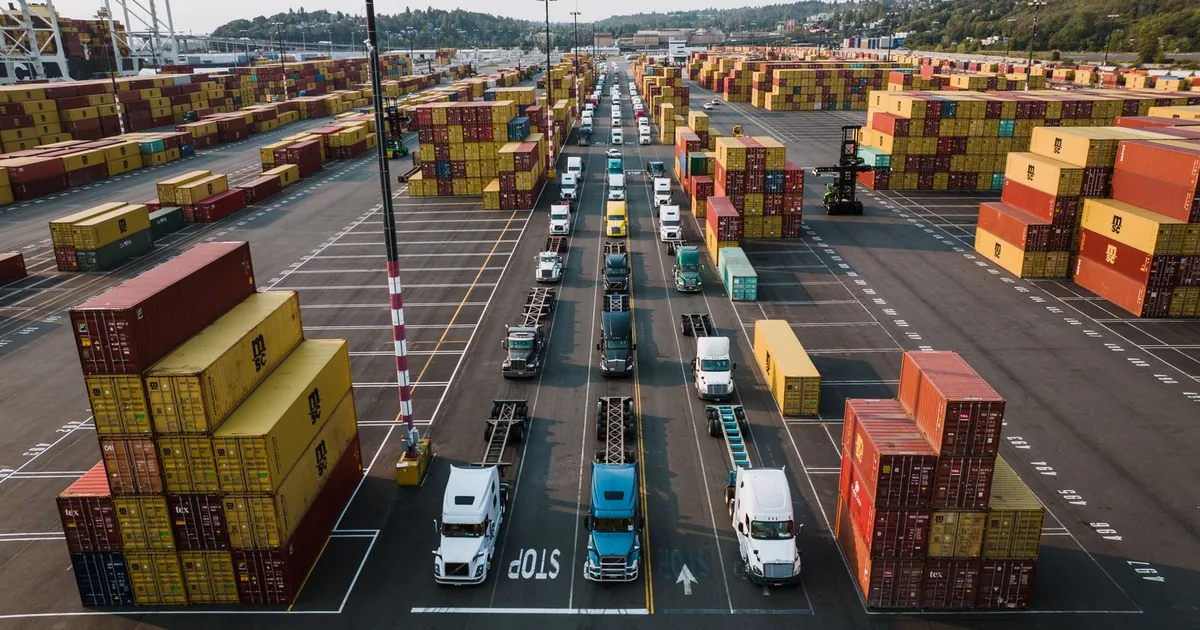
CARM Penalties and Compliance Failures: How to Avoid Them
CBSA is done waiting on CARM compliance, and importers who haven't sorted out their registration, security, or payment processes are facing real penalties. From missed statement deadlines to insufficient financial security, the gaps are costing companies thousands. Here's what's going wrong and what you can do about it before an audit finds you first.

AI-Powered Customs Classification: The Complete Guide
AI classification tools can cut the time your team spends on tariff research dramatically, but they come with real limitations that vendors rarely advertise. This guide covers how the technology actually works, what accuracy numbers mean in practice, and where human review is still essential. If you're importing into Canada right now, there are also some urgent compliance issues these tools may not be catching.
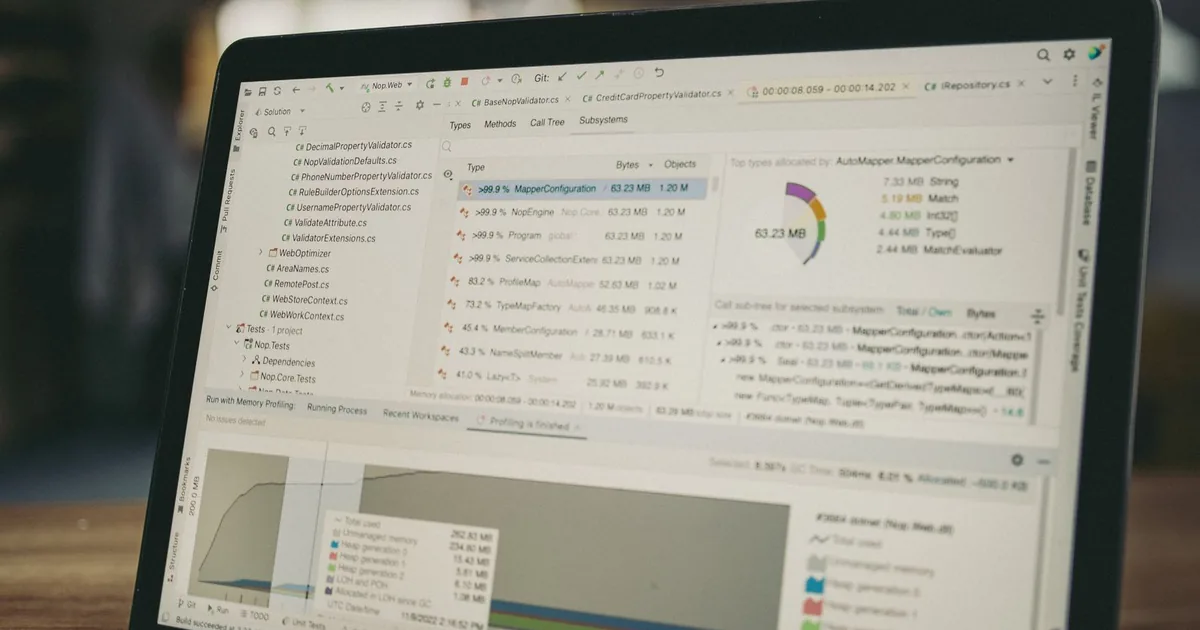
How AI Classifies HS Codes: The Technology Behind Automated Tariff Classification
AI classification tools can handle high-volume, routine HS code lookups reasonably well, but most importers don't fully understand what's happening under the hood. The gap between a confident confidence score and a correct answer gets expensive fast, especially when SIMA duties, retaliatory surtaxes, or CBSA verification priorities are in play. This breakdown covers how these systems actually work, what they can't do, and how to evaluate one before you rely on it.

AI vs. Manual Classification: Accuracy, Speed, and Cost Compared
Arguing over a tariff heading for three hours costs more than the duty difference. AI classification tools have gotten genuinely useful, but the accuracy story is more complicated than vendors let on. Here's an honest look at where AI wins on speed and cost, where human classifiers still matter, and why Canada's current surtax environment changes the risk math for everyone.
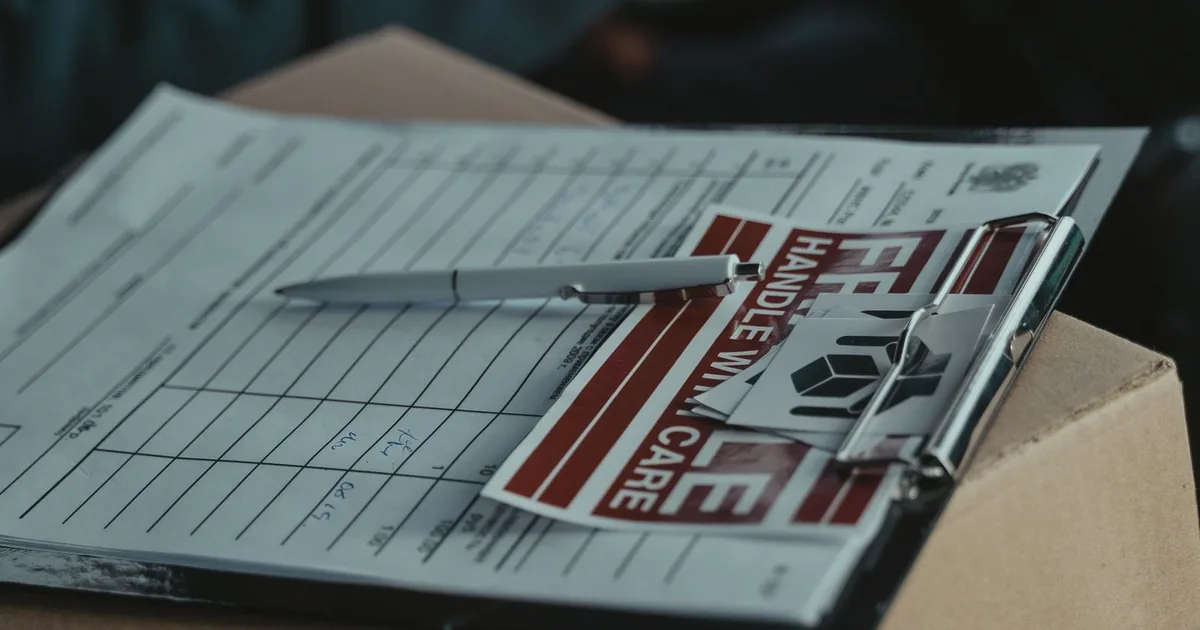
Vision-Based Document Processing for Customs Declarations
Getting clean product information out of supplier documents is usually the hardest part of HS classification, not knowing the tariff schedule. Vision-based AI tools are changing that by reading invoices and spec sheets the way a human would, pulling out materials, dimensions, and origin data automatically. But the importer of record is still on the hook for accuracy, and CBSA's current audit focus on steel, aluminum, and retaliatory tariff goods makes getting it right more consequential than ever.
The True Cost of Tariff Classification Errors in Canada
A wrong HS code on your B3 doesn't just create a one-time headache, it can quietly accumulate into years of back duties, interest, and administrative penalties before CBSA ever contacts you. We've seen mid-size importers hit with six-figure assessments over classification errors that started as honest mistakes. With CBSA actively targeting steel, aluminum, and Chinese-origin goods in 2026, the window to get your classification program in order is narrowing.
Using AI to Leverage CBSA Advance Rulings for Better Classification
Getting an advance ruling from CBSA used to mean paying a broker $2,500 to build a classification rationale from scratch. AI tools are cutting that cost significantly by drafting the submission rationale in minutes, leaving a human reviewer to check the work rather than do all of it. If you're importing at volume and skipping advance rulings because they feel too expensive, that calculation may have changed.
Canadian Import Compliance Automation: From Manual to Modern
If you're still managing Canadian import compliance on spreadsheets and email chains, the risk isn't just inefficiency, it's financial exposure. CBSA has expanded its verification priorities to include retaliatory tariff goods, steel, aluminum, and trade agreement claims, and the penalties for errors land on importers directly under CARM. This guide breaks down what compliance automation actually means in practice, where the ROI comes from, and how to build an audit-ready program without overhauling everything at once.
Customs Broker Technology Adoption: Where the Industry Stands in 2026
A lot of Canadian customs brokers are paying for automation software they haven't fully implemented, and in 2026, that gap is starting to show up in compliance exposure and lost clients. CARM changed who bears the financial risk for entry errors, and importers are now asking harder questions about what their broker's tech stack can actually do. This piece looks at where the industry honestly stands and what brokers and importers should be doing about it right now.
ROI of Compliance Automation: What Canadian Importers Can Expect
Most importers want to know if compliance automation is worth it in real dollars, not theory. The answer depends on your shipment volume, error rate, and how much of your compliance work is still manual. This post walks through the actual math, from staff hours and classification penalties to duty overpayments you may not know you're making.
Integrating Customs Software with ERP and Supply Chain Systems
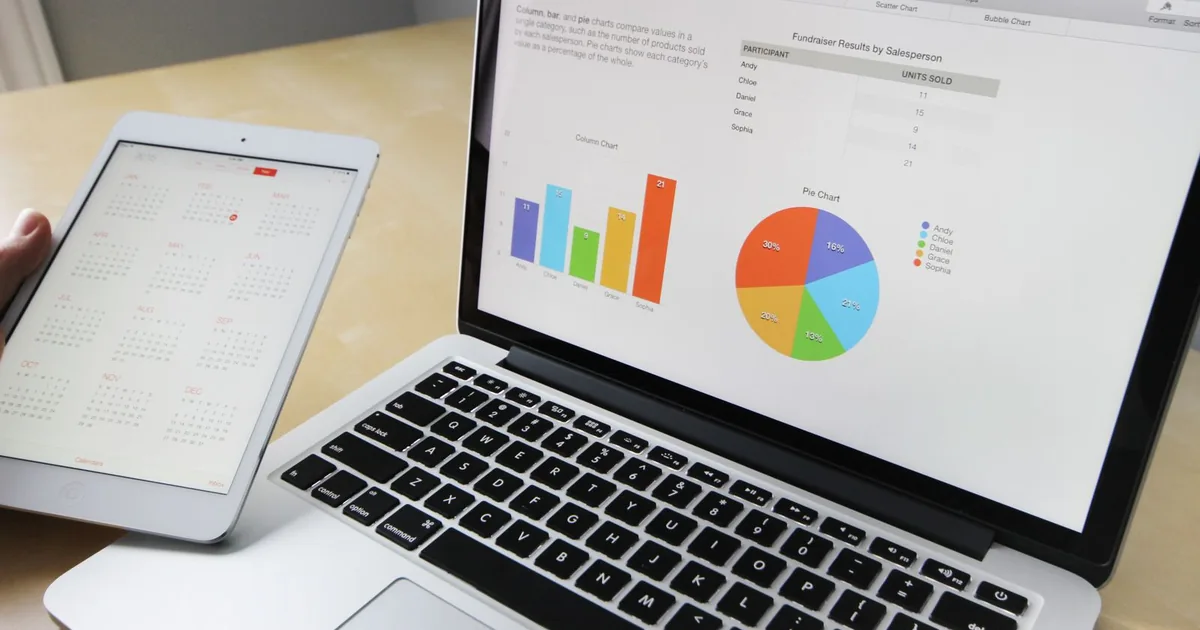
If your customs software and ERP aren't connected, someone on your team is manually re-entering shipment data, and that's exactly where CBSA audit triggers come from. Under CARM, the compliance liability sits with you as the importer, not your broker. Getting your systems talking to each other isn't a nice-to-have anymore, it's how you protect your import account.

Going Paperless: Digital Customs Documentation in Canada
If CBSA showed up tomorrow asking for the invoice behind a specific B3 entry from two years ago, could you find it in under a minute? Most importers can't. With CARM live and CBSA actively verifying retaliatory tariff claims, getting your digital documentation in order isn't optional anymore. This guide covers exactly what you need to keep, for how long, and how to organize it so an audit doesn't turn into a crisis.