
New U.S. Surtax Order in Effect: What Canadian Importers Need to Check Before Their Next U.S.-Origin Shipment
The United States Surtax Order (2026) is in effect, and Canadian importers who haven't reviewed their open purchase orders are already behind. A 25% surtax stacked on top of your regular duty rate can erase margins fast, and USMCA won't protect you from it. This post walks through exactly what to check before your next shipment crosses the border.

AI HTS Code Classification: How It Works and Where a Human Still Decides
AI classification tools are genuinely useful for high-volume, straightforward shipments, but they have real blind spots that can cost importers far more than the duty savings they were chasing. Getting a 10-digit HTS code wrong on Chinese-origin goods or a USMCA claim isn't just a paperwork problem; it can mean six-figure retroactive assessments and penalty exposure. This piece breaks down what AI actually does well, where it falls short, and how to build a review process that holds up under CBP scrutiny.
USMCA Qualification for Canadian Exporters Shipping South
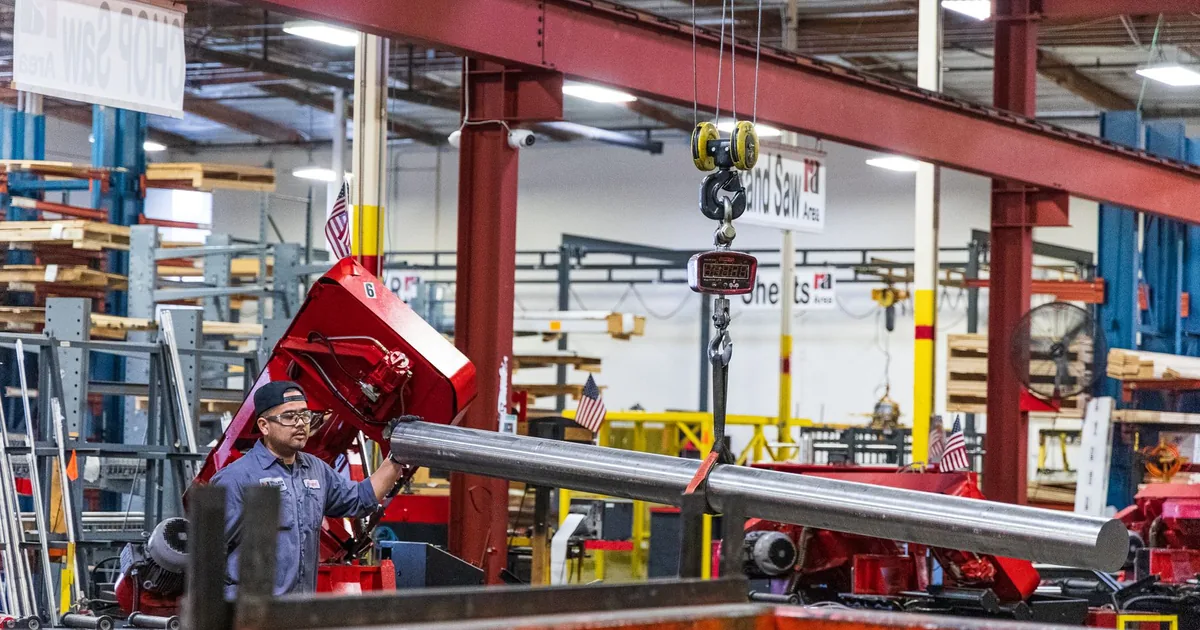
USMCA tariff preference isn't automatic for Canadian exporters, you have to qualify for it, document it, and be ready to back it up if CBP asks. That means working through the specific origin rule for your product, getting supplier declarations in writing, and keeping five years of records. This guide walks through what the agreement actually requires and where exporters most often get it wrong.
Section 232 and Section 301: How Trade Remedies Attach to Your HTS Code
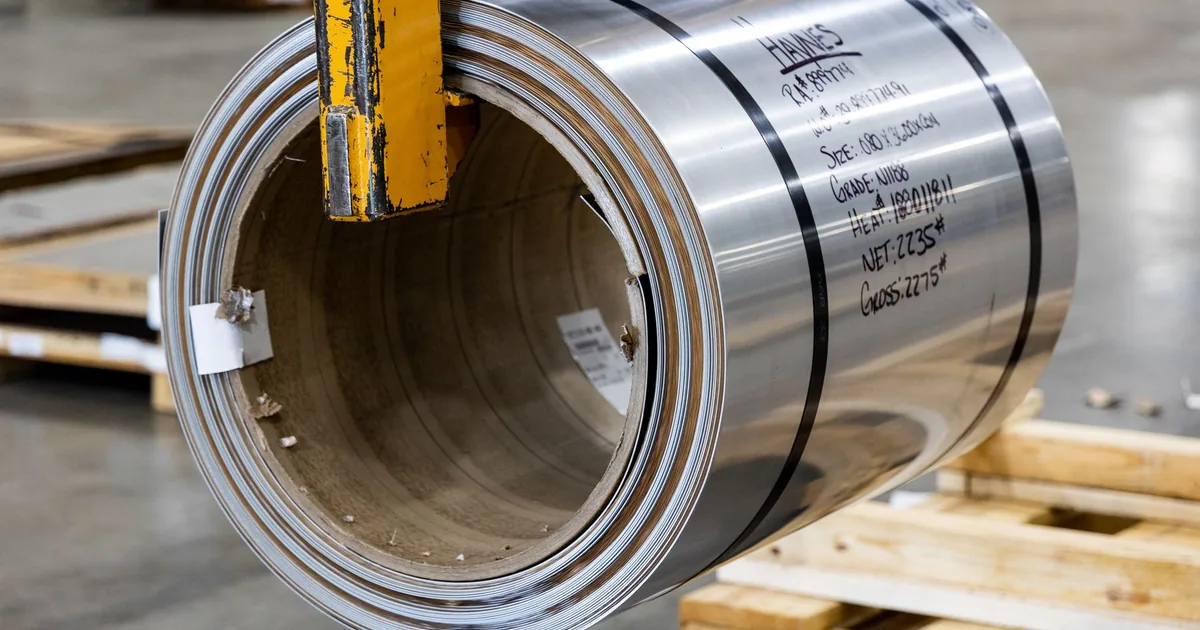
Your HTS code does more than classify your product, it determines whether Section 232 or Section 301 tariffs stack on top of your base duty rate. Missing a Chapter 99 provision can add tens of thousands of dollars to a single shipment. Here's how these trade remedies actually work and what to check before you file your next entry.

Using CBP CROSS Rulings to Defend an HTS Classification
If CBP audits your import entries, 'we thought it was right' won't protect you from penalties. CBP's CROSS database holds over 200,000 binding ruling letters that can anchor your classification decisions and demonstrate reasonable care. Here's how to search it effectively and build a file that actually holds up.
Reasonable Care Under 19 U.S.C. 1484: What CBP Expects From an Importer of Record
Being the importer of record means you're legally on the hook for classification, valuation, and country of origin, even if your broker filed the entry. CBP's reasonable care standard under 19 U.S.C. 1484 has real teeth, and 'my broker handled it' won't hold up when a penalty notice arrives. Here's what the standard actually requires and how to build a process that satisfies it.

HTS vs HS Codes: What Changes When Your Goods Cross Into the United States
Your Canadian HS code gets you to the door, but it won't get you through U.S. customs without problems. The American system adds four more digits that determine duty rates, Section 301 tariffs, and which other agencies have a say in your shipment. Here's what actually changes at the border and what you need to check before your next entry.
U.S. HTS Classification and Trade Compliance for Cross Border Shippers
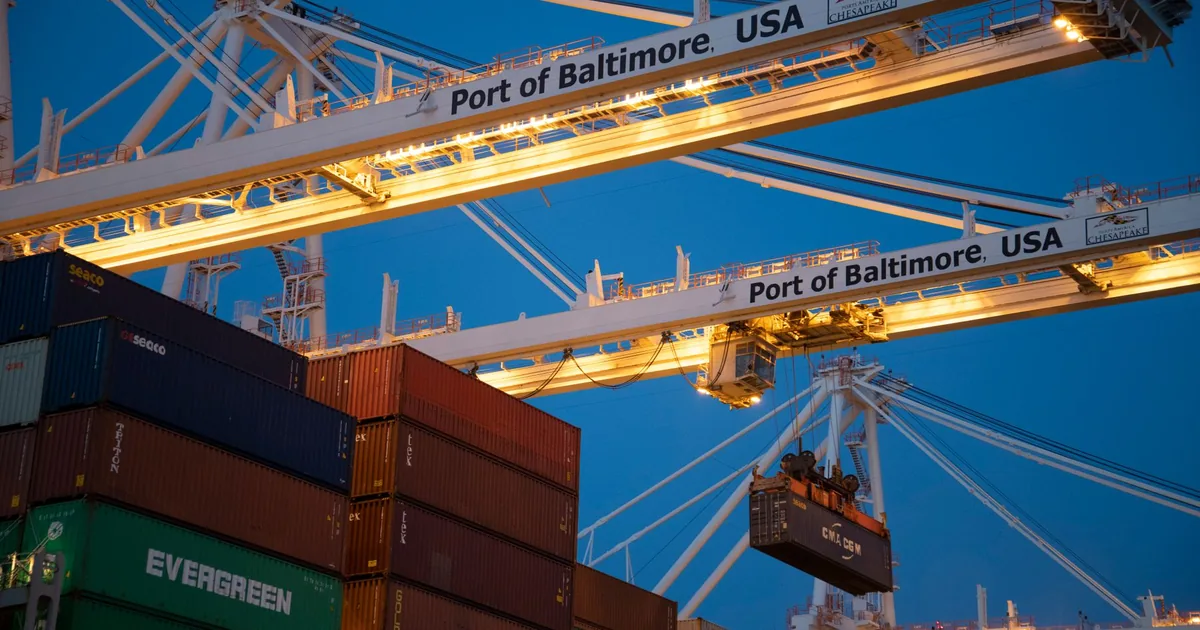
Getting HTS classification wrong on U.S. imports can mean unexpected Section 301 tariffs, antidumping exposure, or CBP penalties you never saw coming. This guide walks through how the HTSUS works, what reasonable care actually requires, and where trade remedies and USMCA create real compliance risk. If you're shipping commercially across the U.S. border, this is the foundation you need to get right.