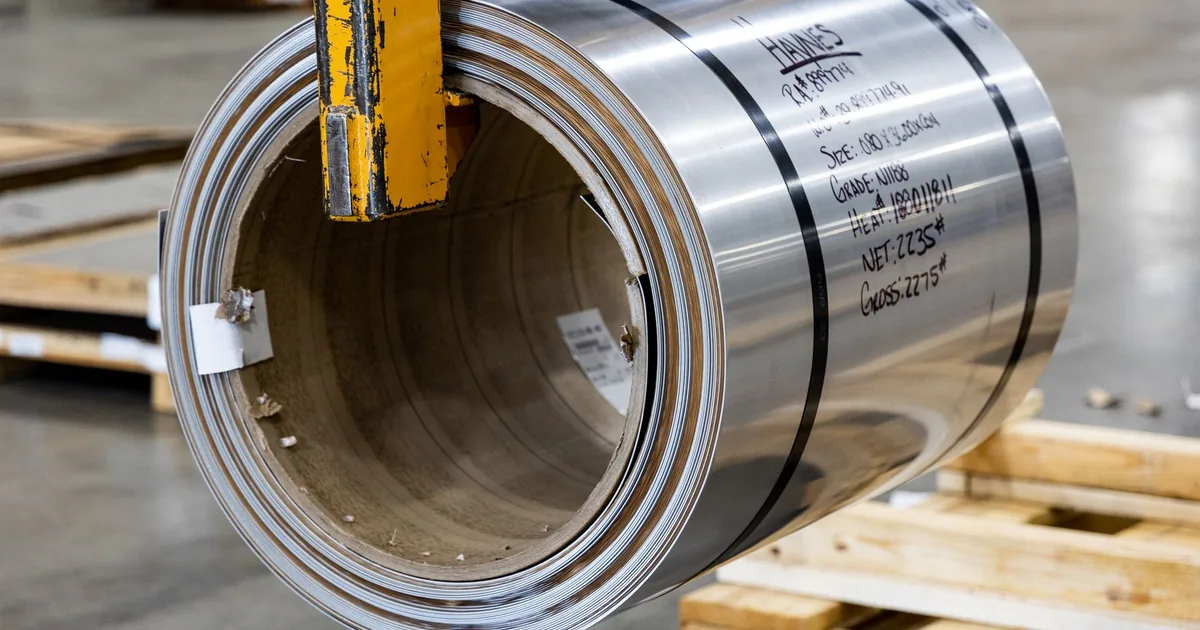
If you're shipping goods into the United States right now, your HTS code isn't just a classification number. It's a trigger. Get it wrong, or even get it right but miss what's stacked on top of it, and you could be looking at duties that are two, three, or four times what you budgeted. Section 232 and Section 301 tariffs have been layered onto the HTSUS for years now, and the political environment in September 2026 means they're not going anywhere. If anything, the list keeps growing.
This isn't abstract trade policy. A steel parts importer we worked with last year cleared a shipment under what they thought was a clean classification. They missed a Section 232 derivative product designation. The additional 25% duty on a $380,000 shipment added $95,000 to their landed cost. Nobody caught it until the bill arrived.
Let's walk through how these remedies actually work, how they attach to your specific HTS code, and what you need to check before your freight leaves the dock.
What Section 232 and Section 301 Actually Are
Both are trade remedy mechanisms under U.S. law, but they come from different legal authority and target different problems.
Section 232 lives under the Trade Expansion Act of 1962. It lets the President impose tariffs or quotas when imports of a specific product threaten national security. The two big ones you'll encounter are steel (25%) and aluminum (10%, though rates have shifted). The original proclamations came in March 2018, and they've been amended multiple times since. Derivative products, meaning goods made from steel or aluminum even if they aren't steel or aluminum themselves, got pulled in through subsequent proclamations starting in 2020.
Section 301 is different. It comes from the Trade Act of 1974 and gives the U.S. Trade Representative authority to respond to unfair trade practices by foreign countries. The China-specific tariffs that started in 2018 are Section 301. They've gone through four lists, multiple rounds of modifications, and as of 2026, rates on certain Chinese goods have been ratcheted up significantly from where they started. The USTR completed a statutory four-year review in 2024 and used it to increase tariffs on electric vehicles, solar cells, steel, aluminum, and several other categories.
The critical thing to understand: these tariffs don't replace your normal MFN duty. They stack on top. So if your widget has a 3.7% MFN rate, plus a 25% Section 301 tariff, you're paying 28.7% before you even think about state taxes or broker fees.
How These Tariffs Attach to an HTS Code
This is where importers get confused. The HTSUS itself doesn't change when a Section 232 or Section 301 tariff is imposed. What changes is the set of additional Chapter 99 provisions that apply to your product.
Chapter 99 of the HTSUS is a special classification chapter reserved for temporary modifications, including trade remedies. When you look up your product's classification, you might find it at, say, 7318.15.2000 for certain steel screws. But if that product is subject to Section 232, you also need to classify it under the relevant Chapter 99 heading, something like 9903.80.01, and report both on your entry. Miss the Chapter 99 number and CBP will find it. They have automated targeting for this.
For Section 301 China tariffs, the same logic applies. Your product might be classifiable under 8471.30.0100 for laptops, but if it's of Chinese origin, you need to check whether a 9903.88.XX heading applies. There are dozens of these headings, each corresponding to a specific list and tranche of goods.
The USTR maintains the official lists. CBP's ACE system is supposed to flag mismatches, but don't rely on that as your safety net. Reasonable care under 19 U.S.C. 1484 puts the obligation on you, the importer of record, to get this right.
Section 232: Steel, Aluminum, and the Derivative Products Problem
The original Section 232 proclamations in 2018 were straightforward enough. Steel mill products and aluminum products from most countries, 25% and 10% respectively. Canada and Mexico got exemptions, lost them, got them back. That history matters if you're routing goods through Canada before they head south.
The derivative products expansion is where things got complicated. Presidential Proclamation 10327 (February 2022) brought in a significant list of steel derivative products, meaning manufactured goods that contain steel as a component. Think things like hand tools, certain auto parts, certain hardware. If your product contains steel and it's on that derivative list, you owe Section 232 duties even if you're not importing raw steel.
The question CBP will ask is whether the steel content of your product was melted and poured in the United States or in a country that has a Section 232 agreement with the U.S. If it wasn't, you owe the tariff. That's a supply chain question, not just a classification question. You need to know where your supplier's steel came from.
Country-specific exclusions and quota arrangements add another layer. South Korea, Japan, the EU, and the UK have all negotiated some form of quota or alternative arrangement. The terms differ. Some are product-specific. Some have been renegotiated. Check the current Federal Register notices before you assume an exclusion still applies.
Practically: if you're importing any manufactured good that contains steel or aluminum, pull the Chapter 99 headings for 9903.80 and work through them carefully. If you're unsure whether your product qualifies as a derivative, that's exactly the kind of question worth putting to CBP through a binding ruling request. An advance ruling gives you certainty. Guessing gives you exposure.
Section 301: The China Tariff Lists and Where Things Stand in Fall 2026
The Section 301 tariffs on Chinese goods started in 2018 with List 1 covering about $34 billion in imports. Lists 2, 3, and 4A followed. By the time the four-year statutory review concluded in 2024, the USTR had used it as an opportunity to increase rates on targeted sectors rather than roll anything back.
The headline numbers right now: electric vehicles from China face a 100% Section 301 tariff. Solar cells are at 50%. Lithium-ion batteries for EVs are at 25%. Steel and aluminum products of Chinese origin face stacked Section 232 and Section 301 exposure. Semiconductors have seen rate increases phased in over 2025 and 2026.
For most manufactured goods from China, the baseline Section 301 rate is 25%. That's the List 3 rate that applies to an enormous range of products. If your product is on List 4A, it was originally 7.5% but that's been subject to review and modification.
Worth flagging this month: CBSA has just launched anti-dumping and countervailing duty investigations into truck and bus tires from China, and separately into paperboard cups and containers from China. Those are Canadian proceedings, not U.S. ones, but they signal the same pattern. Regulators on both sides of the border are actively scrutinizing Chinese imports right now. If you're moving Chinese goods through Canada into the U.S., or selling into both markets, your exposure is coming from multiple directions simultaneously.
The country of origin question is critical here and it's not always simple. If you're buying goods from a Chinese manufacturer that has moved final assembly to Vietnam or Mexico, CBP will look at whether substantial transformation occurred in the third country. If the answer is no, the goods are still of Chinese origin for tariff purposes, and Section 301 applies. CBP has been aggressive on this. They've issued a significant number of penalty cases and forced reclassification decisions on goods that importers claimed were Vietnamese or Mexican origin but weren't.
One thing worth knowing: there's a formal exclusion process. During the original tariff rollout, USTR granted product-specific exclusions to importers who could show the tariff caused economic harm and no domestic alternative existed. Most of those exclusions have expired. Some have been reinstated, some haven't. If you received an exclusion back in 2019 or 2020, don't assume it's still valid. Check the current USTR exclusion portal and the relevant Federal Register notices.
The Stacking Problem: When Both Apply
Steel products of Chinese origin are the clearest example of stacking. You've got the MFN rate, then Section 232 at 25%, then Section 301 at 25%. That's a 50-point tariff burden on top of your base rate. For some steel products, the combined rate is pushing 60% or higher.
A Canadian manufacturer we know buys Chinese steel, processes it in Canada, and sells the finished product to a U.S. customer. The question is whether the Canadian processing constitutes substantial transformation. If it does, the goods are of Canadian origin and USMCA may apply, eliminating both Section 232 (Canada has a quota arrangement) and Section 301 (which is China-specific). If it doesn't, you've got a problem.
This is where USMCA tariff preference and trade remedy exposure intersect. USMCA qualification doesn't automatically insulate you from Section 232 if the steel content doesn't meet the melted-and-poured requirement. These are separate analyses that need to happen in parallel.
Reasonable Care Means You Can't Blame Your Broker
Under 19 U.S.C. 1484, the importer of record has a legal obligation to exercise reasonable care in classification, valuation, and the payment of duties. That includes trade remedy duties. CBP has made this very clear in a series of informed compliance publications.
What does reasonable care look like in practice for Section 232 and Section 301? It means you've identified whether your product falls under any Chapter 99 provision. It means you've documented your country of origin determination, not just accepted what your supplier told you. It means you've checked whether any exclusions apply and whether they're still current. And it means you've kept records that show you did this work.
If CBP audits you and finds underpaid Section 301 duties, the penalty calculation under 19 U.S.C. 1592 starts at the unpaid duties for negligence. It goes up from there for gross negligence or fraud. We've seen cases where importers owed $200,000 in back duties and faced an additional $150,000 in penalties because they couldn't demonstrate any due diligence process.
Your customs broker files what you tell them to file. If you give your broker a wrong country of origin or an incomplete product description, the entry will be wrong. The broker has some obligation to ask questions, but the legal liability sits with you.
How to Actually Check Your Exposure
Here's the practical process. Do this for every product you import from China or that contains steel or aluminum from anywhere.
- Confirm your 10-digit HTS classification. If you haven't gotten a binding ruling and you're not completely confident, get one. The CBP CROSS database has thousands of rulings you can search by product description.
- Search the USTR Section 301 lists for your HTS number. The USTR publishes the lists in Federal Register notices and maintains a searchable version. Check all four lists.
- If your product contains steel or aluminum, check the Section 232 derivative product list from Presidential Proclamation 10327 and subsequent amendments.
- Identify the applicable Chapter 99 heading or headings. There may be more than one if multiple remedies apply.
- Confirm country of origin with documentation from your supplier. A certificate of origin isn't enough on its own for high-risk goods. Get manufacturing records if you can.
- Check for active exclusions on the USTR exclusion portal. Note the expiry date.
- Make sure your broker is reporting both your base HTS number and all applicable Chapter 99 numbers on every entry.
Pull your last 10 entries for any China-origin or steel-containing product and verify that Chapter 99 was reported correctly. If it wasn't, you may want to consider a prior disclosure before CBP finds it on their own.
A Word on First Sale and Valuation
When Section 301 tariffs are 25% or higher, the customs value you declare matters a lot. Some importers have explored first sale valuation, meaning declaring the price paid by the first buyer in the chain rather than the price you paid your intermediary, to reduce the dutiable value. CBP allows this under certain conditions, but it requires documentation and it's been scrutinized more carefully since the trade remedy tariffs made the stakes higher.
This isn't a workaround. It's a legitimate valuation methodology with specific requirements. But if you're importing high-volume goods subject to 25% Section 301 tariffs and you're buying through a trading company, it's worth asking your broker whether first sale applies to your supply chain.
Frequently Asked Questions
My product is made in Vietnam but uses Chinese components. Do Section 301 tariffs apply?
Maybe. CBP will look at whether substantial transformation occurred in Vietnam. If the Chinese components were significantly processed and transformed into a new and different article of commerce in Vietnam, the goods are of Vietnamese origin and Section 301 doesn't apply. If the Vietnamese operation was just assembly or minor processing, CBP may find the goods are still of Chinese origin. This is a fact-specific analysis. Document your supplier's manufacturing process carefully and consider getting a binding ruling if the volume is significant.
Canada has a Section 232 exemption for steel. Does that mean Canadian steel products are always exempt?
Not exactly. Canada operates under a quota arrangement, not a blanket exemption. There are product-specific quotas, and once a quota fills, the 25% tariff kicks in for the rest of the year. Also, the melted-and-poured requirement means the steel in a Canadian-made product needs to have been melted and poured in Canada or another exempt country. If a Canadian manufacturer used Chinese or other foreign steel, the Section 232 tariff may still apply to the steel content.
I got a Section 301 exclusion in 2020. Is it still valid?
Probably not. Most exclusions granted in 2019 and 2020 had expiry dates and have lapsed. USTR has reinstated some through subsequent Federal Register notices, but you need to verify the current status specifically. Check the USTR exclusion portal and search the Federal Register for your product's HTS number. Don't assume.
What happens if I've been filing entries without the Chapter 99 number?
You've been underpaying duties. CBP can go back four years for negligence cases under 19 U.S.C. 1592. If they find it before you self-report, you're looking at back duties plus penalties. If you self-report through a prior disclosure before CBP initiates a formal inquiry, the penalty exposure drops significantly, typically to just the interest on the unpaid duties. Talk to your broker or a trade attorney about whether prior disclosure makes sense for your situation.
Does USMCA qualification protect me from Section 232 and Section 301?
Partially, and it depends on the remedy. Section 301 tariffs are China-specific, so if your goods genuinely qualify as Canadian or Mexican origin under USMCA, Section 301 doesn't apply. Section 232 is more complicated because Canada has a quota arrangement rather than a full exemption, and the melted-and-poured rule applies separately from USMCA origin rules. USMCA qualification and Section 232 exemption are not the same analysis.
How do I find out which Chapter 99 heading applies to my product?
Start with the USTR Federal Register notices for Section 301 and the Presidential Proclamations for Section 232. Both list the affected HTS numbers and the corresponding Chapter 99 provision. CBP also publishes guidance documents. If you're using a broker, they should be running your HTS numbers against these lists before filing. If they're not, ask them directly how they're checking for trade remedy exposure on your entries.