 निवडक
निवडक
The $183K Golf Trolley Bill: How Canada's EV Surtax Catches Importers Off Guard on Unexpected Products
A Pickering, Ontario business owner received a $183,000 surtax bill on 330 electric golf trolleys imported from China, not electric cars, golf trolleys. The bill came down to how the products were classified under Canada's EV surtax orders, which are defined by tariff codes, not plain-English product names. If you import anything from China with an electric motor or battery, your goods may be closer to the surtax scope than you think.

New U.S. Surtax Order in Effect: What Canadian Importers Need to Check Before Their Next U.S.-Origin Shipment
Canada's surtax on U.S.-origin goods is active, and a 25% charge stacked on top of your regular duty rate can hit margins hard. Before your next purchase order ships, you need to confirm your tariff classifications, verify origin documentation, and check whether a remission order applies to your goods. This post walks through each step so you're not sorting it out after the fact.

AI HTS Code Classification: How It Works and Where a Human Still Decides
AI classification tools can handle commodity goods quickly and surface rulings you might miss, but they fall short when GRI 3 analysis, Section 301 tariffs, or AD/CVD scope determinations are involved. Getting the 10-digit HTS code wrong can mean the difference between a 7.5% and a 145% additional tariff on the same product. This post breaks down exactly where AI helps, where it fails, and how to build a review process that holds up under CBP scrutiny.
USMCA Qualification for Canadian Exporters Shipping South
USMCA tariff preference can mean the difference between zero duty and a rate as high as 25%, but it isn't automatic just because you're shipping from Canada. You have to analyze your inputs against the specific origin rule for your product, document the calculation, and keep records that can survive a CBP verification. This guide walks through how qualification actually works, from tariff shift rules to RVC math to what happens when an officer asks questions.
Section 232 and Section 301: How Trade Remedies Attach to Your HTS Code
Your HTS code does more than classify your product, it determines whether Section 232 or Section 301 tariffs apply on top of your normal duty rate. A missed Chapter 99 heading on a single shipment can add tens of thousands of dollars to your landed cost. This guide walks through how these trade remedies attach to specific classifications and what importers need to verify before freight leaves the dock.

Using CBP CROSS Rulings to Defend an HTS Classification
If CBP audits your import entries, 'we thought it was right' won't protect you from penalties. CBP's CROSS database holds over 200,000 binding ruling letters that can anchor your classification decisions and show you exercised reasonable care. Here's how to search it effectively and build a file that actually holds up.
Reasonable Care Under 19 U.S.C. 1484: What CBP Expects From an Importer of Record
The importer of record is legally responsible for reasonable care on every entry, regardless of whether a customs broker handles the paperwork. That means documented classification rationale, verified country of origin, and a working knowledge of which duty orders apply to your goods. Get it wrong and CBP can penalize you for negligence without proving any intent to deceive.
HTS vs HS Codes: What Changes When Your Goods Cross Into the United States
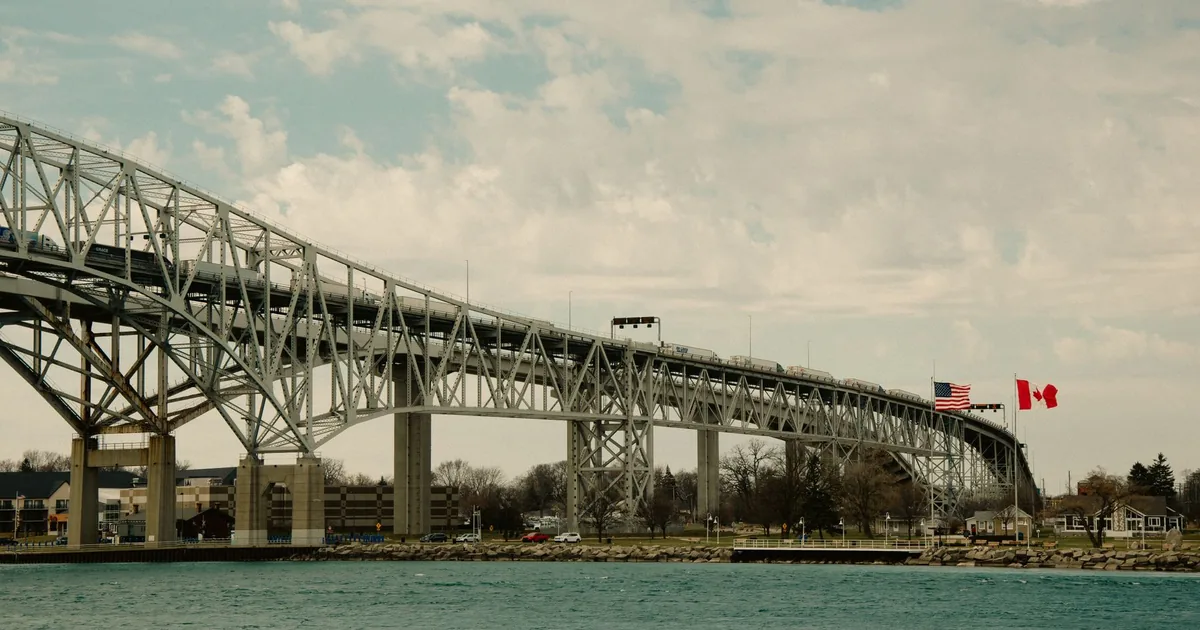
A Canadian HS code and a U.S. HTS number start from the same six digits, but that's where the similarity ends. The additional four digits in the HTSUS determine your duty rate, Section 301 exposure, USMCA eligibility, and which other federal agencies have a say in your shipment. If you're the importer of record, the legal responsibility for getting this right sits with you, not your broker.
U.S. HTS Classification and Trade Compliance for Cross Border Shippers
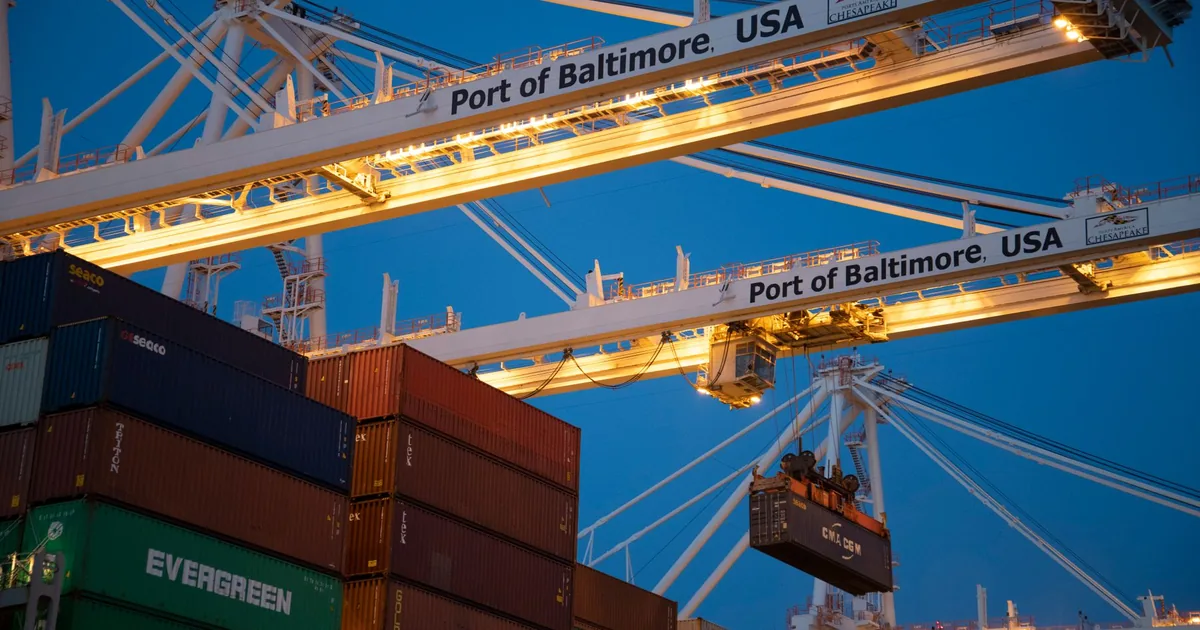
Getting HTS classification wrong on U.S. imports can mean unexpected Section 301 tariffs, antidumping exposure, or CBP penalties you never saw coming. This guide walks through how the HTSUS works, what reasonable care actually requires, and where cross-border shippers most often get tripped up. Whether you're a Canadian exporter or a logistics manager handling both sides of the entry, the compliance basics here are worth knowing cold.

Canada's Retaliatory Tariffs Start September 8: What Importers Need to Do Before the Clock Runs Out
Canada's retaliatory tariffs on U.S.-origin goods went live September 8, 2026, and if your declarations haven't caught up, you may already have errors on file. Remission relief runs through November 30, but it's not automatic and the conditions are stricter than most importers expect. Here's what to audit, what to fix, and what to watch through the end of the year.
Two Quebec Sufferance Warehouses Closed. What Bonded Freight Does Now
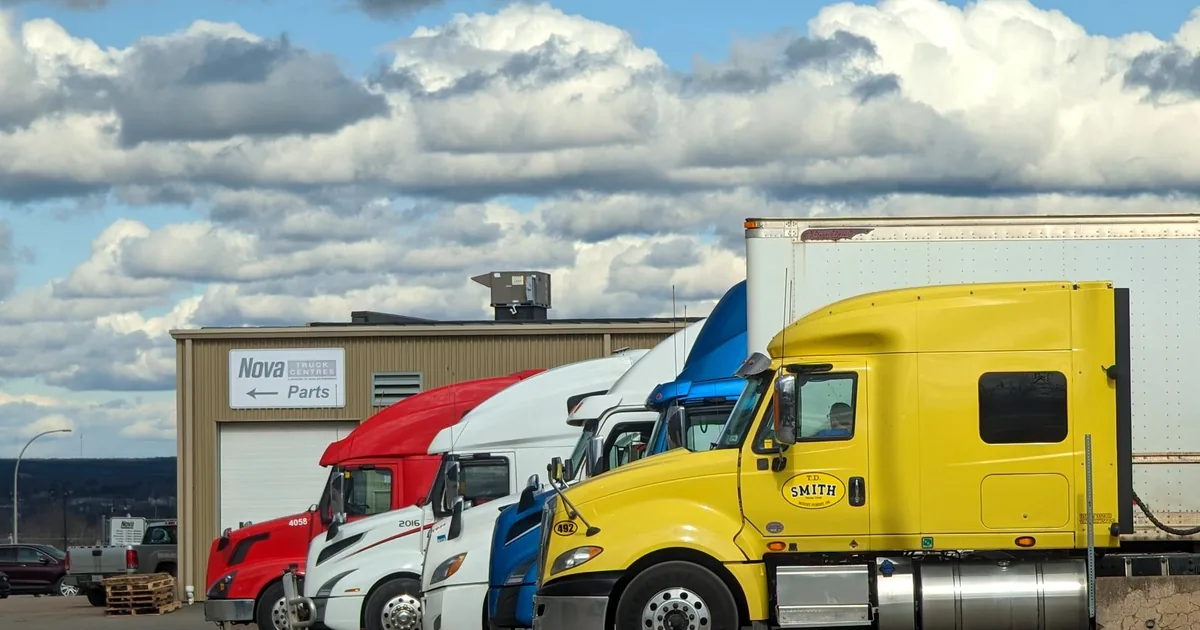
Two highway sufferance warehouses in Quebec surrendered their licences on August 10, 2026, and CBSA has decided not to replace either one. Bonded carriers who were routing freight to East Farnham or St-Cesaire need to find an alternative warehouse and update every template and EDI profile that still carries the old codes. The storage clocks on goods already in bond did not pause for the closure, and for tobacco and spirits the consequences of running out are forfeiture, not a fine.

Two CFIA Changes That Turn on a Fact Only Your Client Can Give You
Two recent CFIA changes look unrelated on the surface, but they share the same problem: the admissibility answer depends on a fact that isn't in the goods, the invoice, or the HS code. One turns on end use for certain wheat shipments; the other turns on a slaughter date for Finnish pork. If you fill in either field without asking, you've made a declaration nobody actually made.